menu

Crate and Rotate
Multiple Dog Homes
Many multi-dog households use a crate-and-rotate routine, which is also very common in foster situations. This setup works best when you have strong, secure crates or completely separate rooms where dogs can be safely rotated.
Gates should not be used to separate dogs who do not get along. They are fine for dogs who are friendly with each other and simply need a precautionary barrier when no one is home. However, a determined dog may be able to climb over or push through a gate if they choose to.
It is always a good idea to make sure your dog is comfortable and confident in a crate. A crate should be a safe, calm, and positive space—not a place of punishment.
If your dog is not yet crate-trained, please see our Crate Training section for guidance.
Dog Tolerance Spectrum
Some dogs thrive around other dogs, while others simply don’t—and that’s normal. Tension often develops as dogs reach maturity, but it can surface at any point in their lives.
What’s important to understand is this: dogs who don’t get along cannot “work it out” on their own. Fights may start over food, toys, space, or sometimes for no obvious reason at all. And once a fight happens, another is likely to follow—often with greater intensity.
Owners need to remain alert, supervise closely, and step in at the first signs of early aggression, rather than waiting for a full fight to break out.
The purpose of a crate-and-rotate routine is simple: dogs who live in the same home but do not get along should not share space. This structure keeps everyone safe, reduces stress, and allows each dog to relax without conflict.
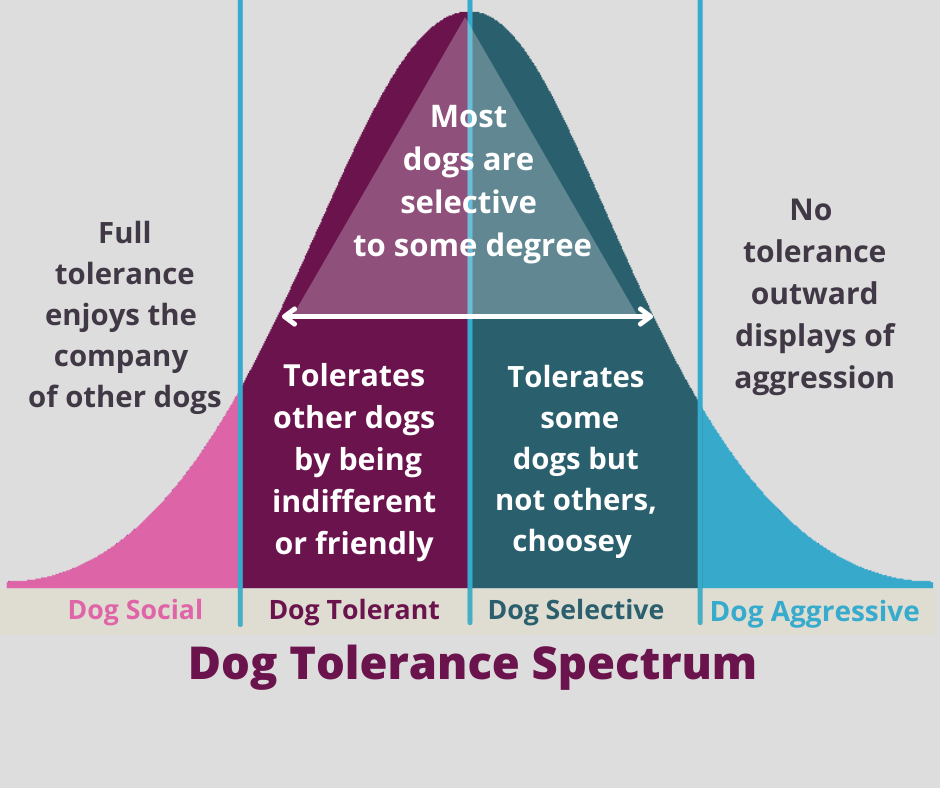
A crate-and-rotate lifestyle may become necessary when two dogs in the same home show aggression toward one another. This can happen with any breed, but it can be more common in bull breeds, which were historically bred for work that often required strength, determination, and persistence. Same-sex pairs and dogs close in age may also be more likely to develop tension as they mature.
When this dynamic develops in a household, a structured crate-and-rotate routine can make an enormous difference. It helps stabilize the environment, reduce stress, prevent fights, and—most importantly—keep both dogs safe while allowing them to remain in the home.
A crate-and-rotate lifestyle isn’t always easy to maintain, but for many households, it can be the best and safest choice when dogs cannot safely share space. There is absolutely no shame in running a crate-and-rotate home. It is a responsible and thoughtful way to keep everyone safe while reducing stress for dogs who do not get along.
If you’re unsure how to set up or maintain a routine like this, or your dogs are showing signs of tension or conflict, reach out to a trainer experienced in crate-and-rotate management. They can help you create a structure that fits your home, your schedule, and your dogs’ individual needs.

A lot of people look at me like
I’m crazy when I tell them that 2 of my dogs are on a crate rotation
schedule. They’ll often say, “I don’t know how you do it!” Or, “I could
never do that.”
” Or even, “Why don’t you just get friendlier dogs instead?” At the end of the day, this is my pack and none of them are leaving. It’s my job to make sure they stay safe and this is the best solution that I have come across to date.
The fact is, our crate rotation schedule provides me with peace of mind and confidence knowing that I’m not going to have to separate two fighting dogs, deal with any injuries or a possible fatality.
When you have a dog that is aggressive, which would you rather do?
Walk on eggshells all day long waiting for the next fight to happen? Be paying out your ass for stitches and antibiotics and for wounds to be wrapped and cleaned? Feeling on edge 24/7 because the dogs may or may not fight and you’ve got to be ready for when they do? Or, would you rather have a simple system put in place to protect both dogs from getting injured while still being able to enjoy and spend time with both dogs?
Personally, I’ve got enough daily stress in my life. I don’t need to be consumed by the notion that one day my dogs might kill each other. I also don’t think that its fair to the dogs to be putting them in harms way. What type of quality of life are you providing them with if you aren’t mitigating the ability for a fight to break out. Also, living in a constantly stressful environment simply isn’t healthy for anyone.
In the home
We rotate the 2 female dogs every 2-4 hours. Does this mean that they might spend time in their crates a little more than your average dog? Perhaps. Does that mean they aren’t regularly exercised and cared for? Not at all. During the 2-4 hours that one dog is out, they are not only exercised, but we do obedience training as well as just relax on the couch. Then we alternate.
On warm days
I will take one dog outside and leave the other in the house uncrated. So, we are rotating from inside to outside and they aren’t confined to their crate. In addition to being exercised at home, they also both get to go out on separate hikes, trips to the creek as well as to sports (Rally-O, Dock Diving, PSA, Nose Work etc…). When one dog is out at their sport activity, the other is free to be in the house.
At night
We alternate which dog gets to sleep in bed with us.
Crate rotating is simply a safety measure
That I have put in place to ensure that I can continue enjoying both of my dogs without having to worry about any potential fights. It creates a safe, calm and relaxing environment for both of my dogs and I. Despite the stigma attached to crate and rotate schedules, I will continue to
use this method simply because it is what works best in my household. It has become second nature to us, doesn’t take up any additional time out of our lives and gives us the ability to truly enjoy our dogs.